

Photo Credit: Hulton Archives and Getty Images
Earth Day began in 1970 as a nationwide call to action, an opportunity for people to come together and rethink how we care for the environment.
More than 50 years later, it remains a powerful reminder that collective impact often starts with individual choices.
But making a difference doesn’t have to mean changing everything all at once. In fact, some of the most meaningful impacts come from small, simple switches that fit into your everyday life.
Here are a few ways to get started, right here in our community:
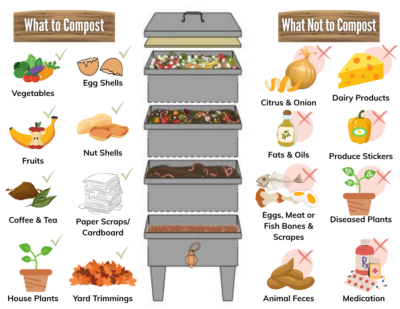
Swap food waste for compost
Instead of sending food scraps to the landfill, try composting them. Composting turns waste into nutrient-rich soil, and it’s easier than you might think.
Food scraps aren’t the only thing you can compost, either. Pesticide-free lawn clippings and yard waste can be added too, helping build healthy soil that supports stronger plants, beneficial insects, and even birds that naturally help keep pests in check. Composting is more than just waste reduction; it’s a way to support the entire ecosystem from the ground up.
Curious about how to get started? Our Earth Day celebration will include a live vermi-composting demo so you can see just how simple (and fascinating!) it can be.
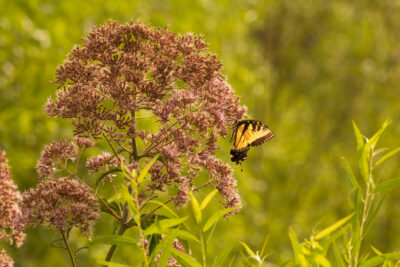
Swap traditional landscaping for native plants
Many common landscaping plants are chosen for appearance, not ecological value. Native plants, on the other hand, have evolved alongside local wildlife and play an important role in supporting pollinators, birds, and other species.
As native plant populations decline, so do the species that depend on them. Incorporating even a few native plants into your yard helps restore those connections and supports biodiversity right at home.
You don’t have to transform your entire yard to make an impact; adding just a few native plants to existing beds or containers can help support a healthier ecosystem right outside your door. This approach works well within HOA guidelines, allowing you to create a landscape that is both visually appealing and ecologically meaningful.
Swap grocery runs for local food
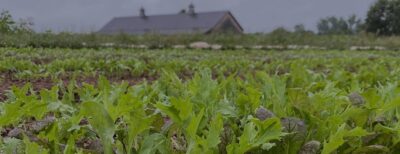
Modern food systems often rely on long-distance transportation and resource-intensive practices. Choosing locally grown food helps reduce those impacts while supporting farmers who are working in and with the local landscape.
Practices like regenerative agriculture focus on building healthy soil, which improves water retention, supports biodiversity, and helps store carbon. These systems highlight an important idea: healthy soil is the foundation of a healthy environment.
Even occasional choices, like buying seasonal or locally grown items, can help support a more resilient food system.
Swap screen time for outside time
 Spending time outside isn’t just enjoyable, it’s good for your health, too. Research shows spending at least two hours per week in nature is linked to improved physical and mental well-being.
Even short periods outdoors can make a difference. Studies have found that just 20-30 minutes in a natural setting can significantly reduce stress. Time in nature has also been shown to improve focus, boost mood, and support better sleep, small benefits that can make a big difference over time.
Whether it’s a long walk on the trails or a few short moments outside through the week, it all adds up.
Start where you are
You don’t have to do everything to make a difference. Choosing just one small switch is a great place to begin, and over time, those small actions add up.
This Earth Day, we invite you to start where you are. Maybe that means composting your first food scraps, planting a few native flowers, or simply spending more time outside.
Together, these small steps help care for the place we all call home.