Field Notes

4 06, 2026

A Close Call at Willow Lake

2026-06-05T15:03:22-04:00June 4, 2026|Field Notes, Uncategorized|

Last week, one of our smallest Conservancy residents found himself in a big predicament. A duckling, now affectionately named Trooper, was discovered at Willow Lake with a fishing hook lodged in its neck. Concerned residents alerted our team, and we quickly sprang into action to get him the help ...

8 05, 2026

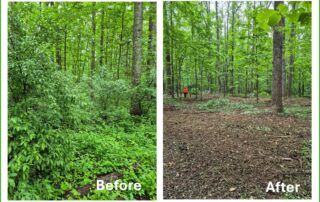
Forestry Mulching

2026-05-18T12:48:25-04:00May 8, 2026|Field Notes, Uncategorized|

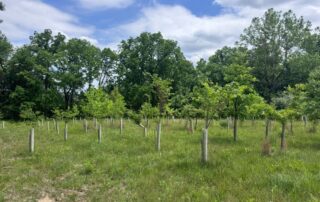
Forestry MulchingBy Sam Adams, Assistant Land Stewardship ManagerOver time, the forests managed by the Conservancy, like many forests throughout the region, have become increasingly dominated by invasive trees and shrubs that crowd the understory and limit the growth of native vegetation. These invasive species compete with native plants for sunlight, ...

9 04, 2026

Small Shifts, Lasting Impact

2026-04-09T16:05:53-04:00April 9, 2026|Field Notes, Uncategorized|

  Photo Credit: Hulton Archives and Getty Images Earth Day began in 1970 as a nationwide call to action, an opportunity for people to come together and rethink how we care for the environment. More than 50 years later, it remains a powerful reminder that collective impact ...

25 03, 2026

Early Risers on the Forest Floor: Spring Ephemerals

2026-03-25T15:00:26-04:00March 25, 2026|Field Notes|

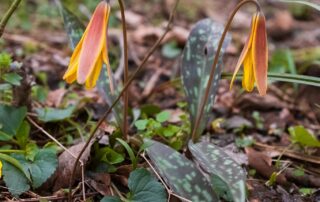
As winter loosens its grip on Virginia’s forests, a brief but beautiful display unfolds on the forest floor starting around the end of March continuing through April. Spring ephemerals—some of our earliest wildflowers—emerge, bloom, and disappear all within a matter of weeks. These plants are perfectly adapted to take advantage ...

27 02, 2026

Conservancy Awarded Funds to Advance Invasive Species Removal in The Grant

2026-02-27T14:55:42-05:00February 27, 2026|Field Notes|

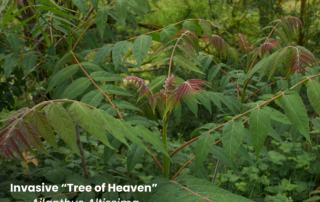
We are excited to share that Willowsford Conservancy has been awarded a $50,000 grant through Loudoun County’s Invasive Plant Species Management Program (IPSMP). This funding will expand our work to remove invasive species and improve the health of forests and meadows across the community.  The IPSMP program supports private landowners ...

16 01, 2026

Beavers: Nature’s Engineers in Our Midst

2026-01-28T09:39:40-05:00January 16, 2026|Field Notes, Uncategorized|

Beavers:  Nature’s Engineers in Our Midst Few animals capture the imagination quite like the North American beaver (Castor canadensis). As the largest rodent on the continent, beavers are remarkable not just for their size, adults can weigh between 30–60 pounds and span over 3 feet long, but for their ...

28 10, 2025

Nature’s Halloween

2025-10-28T12:43:59-04:00October 28, 2025|Field Notes, Uncategorized|

Spooky Fungi & Forest Oddities Fall brings crunchy leaves, cool nights, and some of nature’s spookiest sightings, fungi that look straight out of a Halloween story. These strange, colorful decomposers are not just spooky; they play a vital role in forest health. Eastern ...

31 07, 2025

Mapping Biodiversity: Vegetative Surveying

2025-08-04T08:56:49-04:00July 31, 2025|Field Notes|

This summer, our land management team was joined by an intern, Hailey Tritten, who spent weeks exploring Willowsford’s meadows and grasslands, collecting valuable data through vegetative surveys. These surveys play a critical role in tracking the health of our ecosystems, identifying native and invasive plant species, and informing future restoration ...

9 07, 2025

Too Hot to Handle: How Wildlife Copes with Heat Waves

2025-07-09T12:30:58-04:00July 9, 2025|Field Notes|

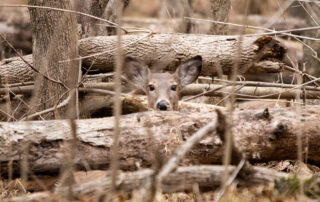
As temperatures soar into the 90s and beyond, most of us head indoors, take a dip in a pool, or reach for an iced drink. But what about the animals? Wildlife doesn’t have air conditioning, but they’ve evolved clever strategies to survive, and understanding those can help us protect them. ...

10 06, 2025

The Magic of Fireflies

2025-06-10T10:13:27-04:00June 10, 2025|Field Notes, Uncategorized|

Summer evenings in Willowsford often come alive with a quiet kind of magic, the gentle flicker of fireflies lighting up the dark. Despite their name, fireflies are actually beetles, not flies. Their glow, called bioluminescence, is used mainly to attract mates and to warn predators. Many predators know that bright ...

Go to Top