

Small Shifts, Lasting Impact
Photo Credit: Hulton Archives and Getty Images Earth Day began in 1970 as a nationwide call to action, an opportunity for people to come together and rethink how we care for the environment. More than 50 years later, it remains a powerful reminder that collective impact ...
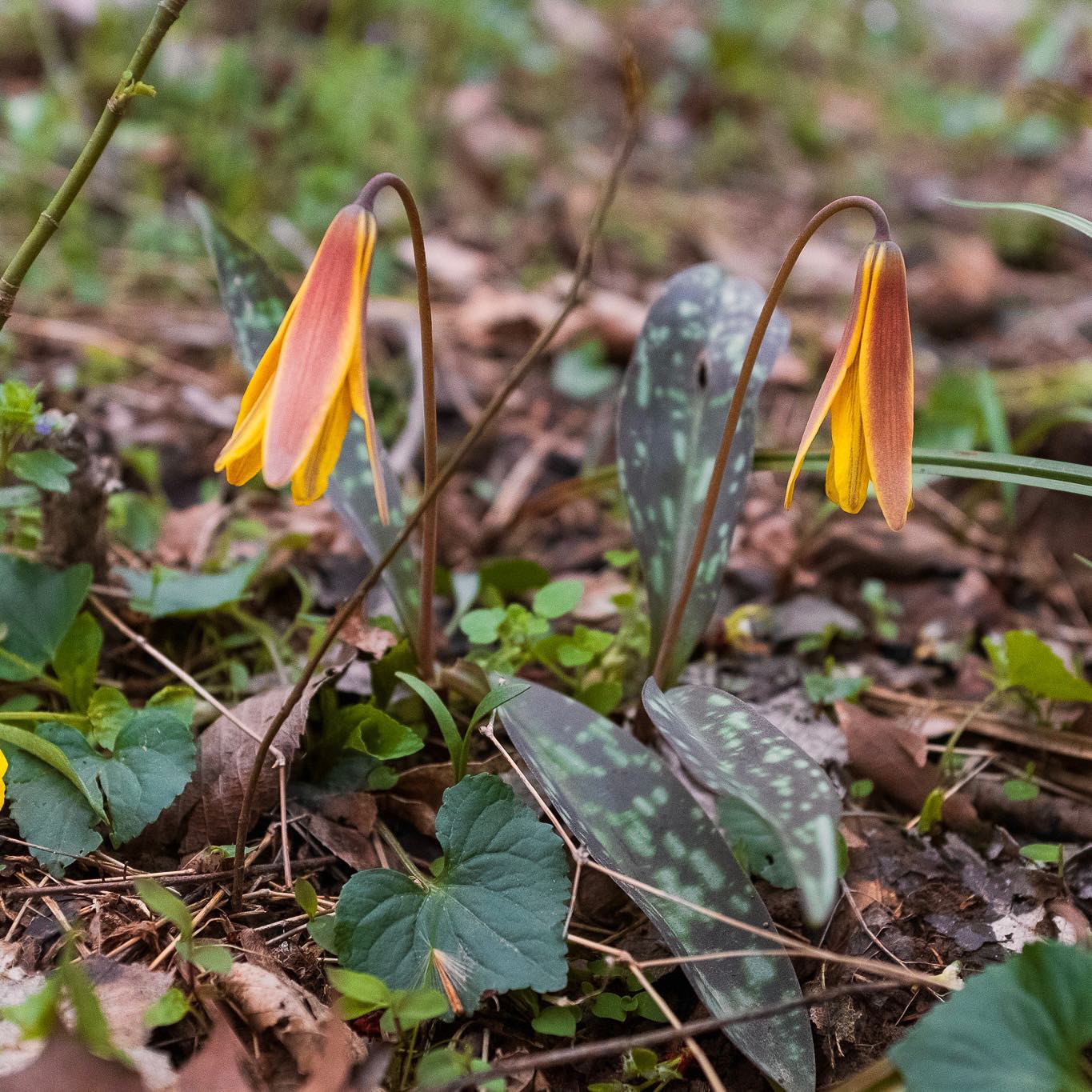
Early Risers on the Forest Floor: Spring Ephemerals
As winter loosens its grip on Virginia’s forests, a brief but beautiful display unfolds on the forest floor starting around the end of March continuing through April. Spring ephemerals—some of our earliest wildflowers—emerge, bloom, and disappear all within a matter of weeks. These plants are perfectly adapted to take advantage ...
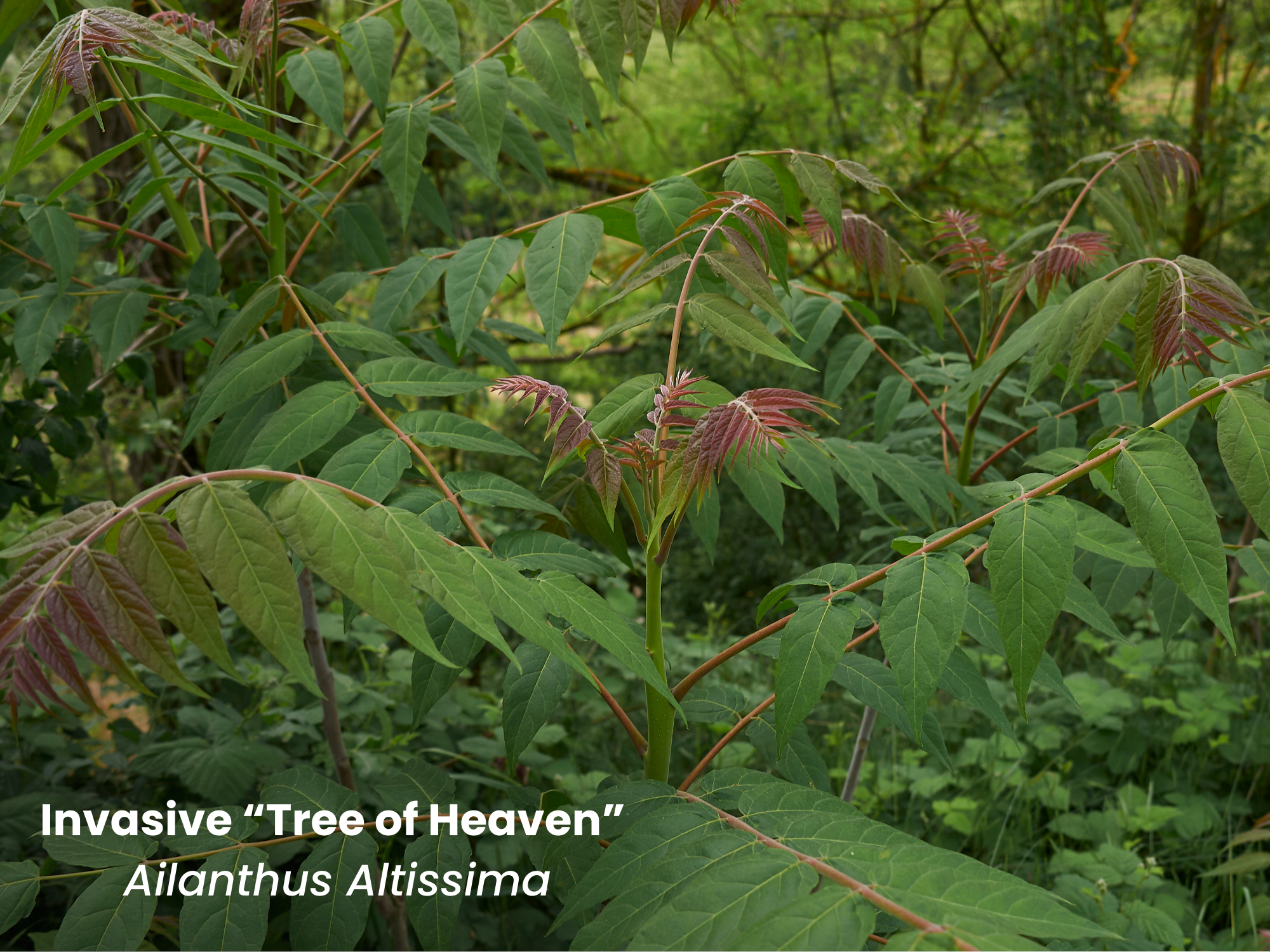
Conservancy Awarded Funds to Advance Invasive Species Removal in The Grant
We are excited to share that Willowsford Conservancy has been awarded a $50,000 grant through Loudoun County’s Invasive Plant Species Management Program (IPSMP). This funding will expand our work to remove invasive species and improve the health of forests and meadows across the community. The IPSMP program supports private landowners ...
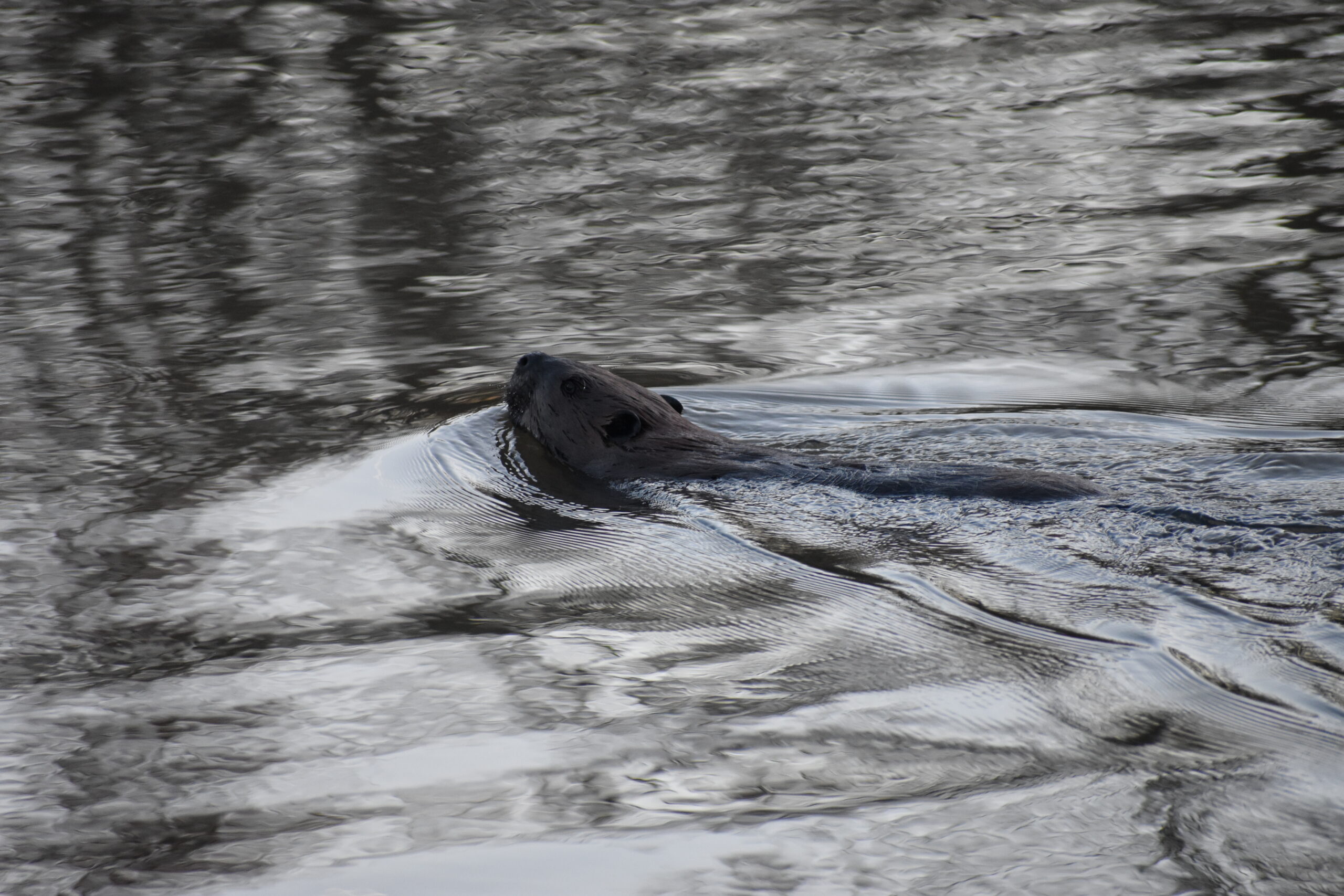
Beavers: Nature’s Engineers in Our Midst
Beavers: Nature’s Engineers in Our Midst Few animals capture the imagination quite like the North American beaver (Castor canadensis). As the largest rodent on the continent, beavers are remarkable not just for their size, adults can weigh between 30–60 pounds and span over 3 feet long, but for their ...
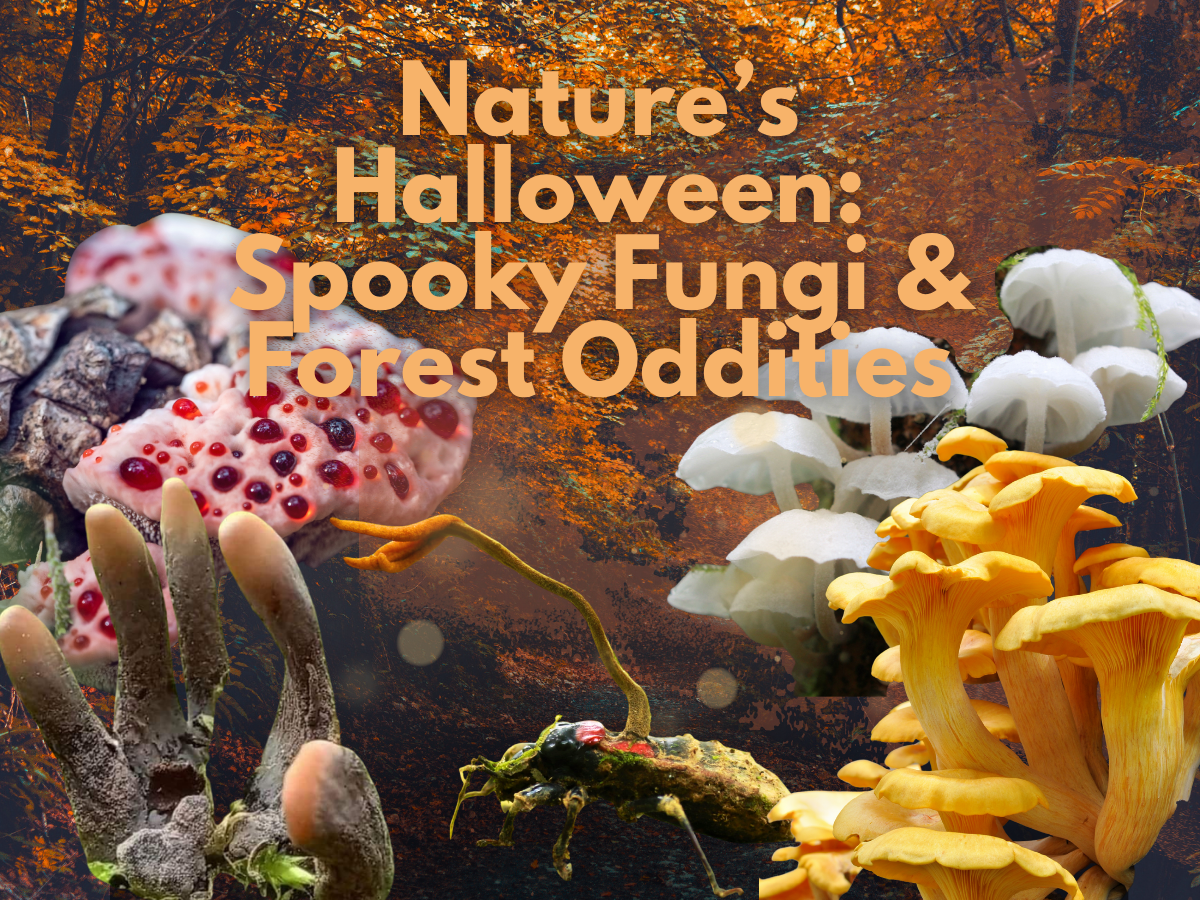
Nature’s Halloween
Spooky Fungi & Forest Oddities Fall brings crunchy leaves, cool nights, and some of nature’s spookiest sightings, fungi that look straight out of a Halloween story. These strange, colorful decomposers are not just spooky; they play a vital role in forest health. Eastern ...
Mapping Biodiversity: Vegetative Surveying
This summer, our land management team was joined by an intern, Hailey Tritten, who spent weeks exploring Willowsford’s meadows and grasslands, collecting valuable data through vegetative surveys. These surveys play a critical role in tracking the health of our ecosystems, identifying native and invasive plant species, and informing future restoration ...

Too Hot to Handle: How Wildlife Copes with Heat Waves
As temperatures soar into the 90s and beyond, most of us head indoors, take a dip in a pool, or reach for an iced drink. But what about the animals? Wildlife doesn’t have air conditioning, but they’ve evolved clever strategies to survive, and understanding those can help us protect them. ...
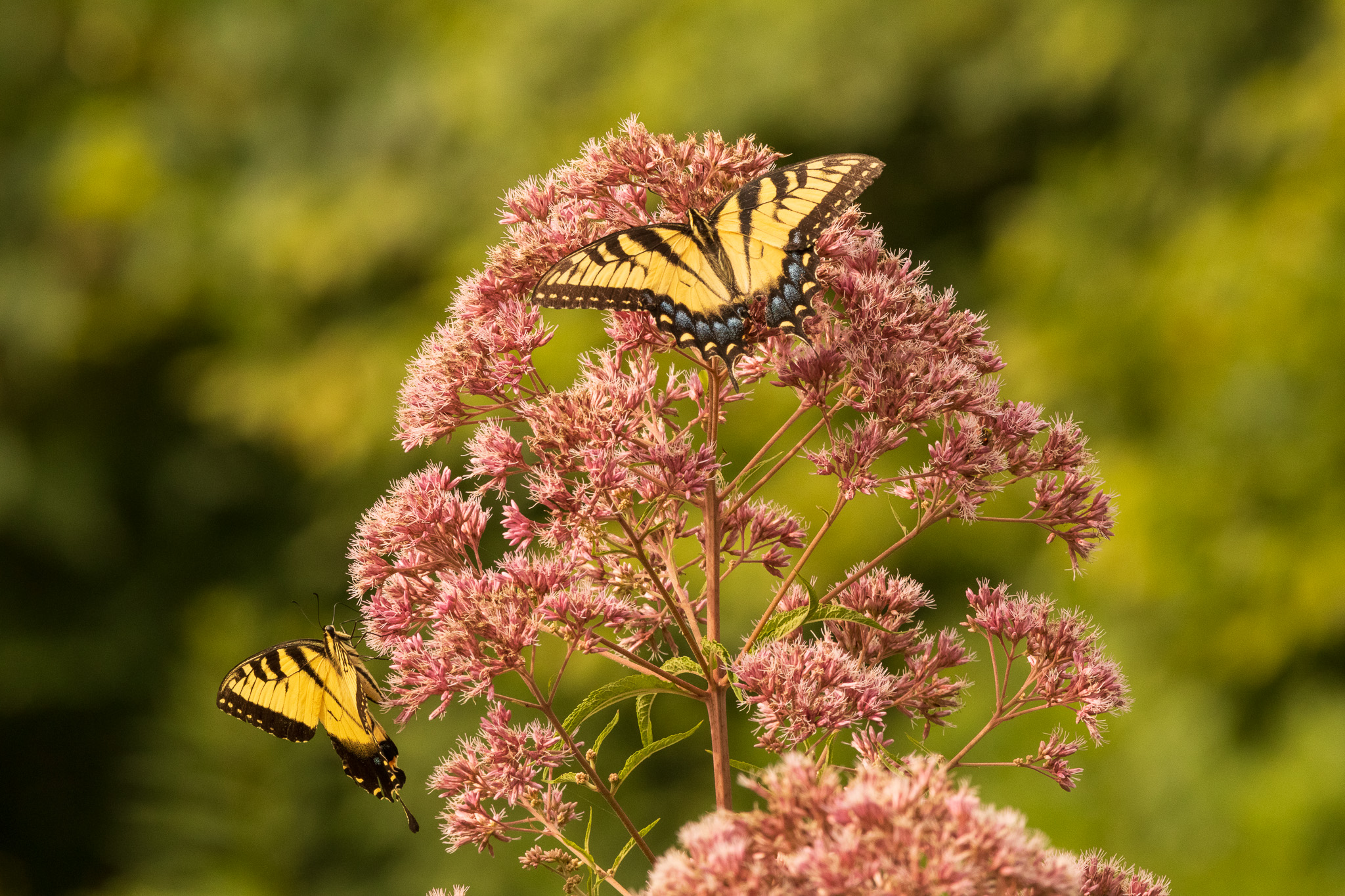
Pollinator Detectives: Keep the Buzz Going with iNaturalist!
Pollinator Week May Be Over, But Your Mission Isn’t! Pollinator Week may be behind us, but pollinators are still hard at work, and you can be too. From gardens and trails to fields and forests, the world around you is buzzing with life. At Willowsford Conservancy, we know that conservation ...

The Magic of Fireflies
Summer evenings in Willowsford often come alive with a quiet kind of magic, the gentle flicker of fireflies lighting up the dark. Despite their name, fireflies are actually beetles, not flies. Their glow, called bioluminescence, is used mainly to attract mates and to warn predators. Many predators know that bright ...
Protecting our Aquatic Ecosystems
Last week, Ranger Emily and our Land Stewardship team conducted a stream monitoring survey on Lenah Run, a tributary that flows through Willowsford into Broad Run, which eventually feeds into the Potomac River. Emily, who is certified as a stream monitor through Loudoun Wildlife, guided the team through the process ...

Raising Our New Flock!
The Farm Team recently made an exciting announcement: we’ve been raising chicks to replace our aging flock of laying hens! This process is different from our usual flock transition and has provided an excellent opportunity for members of the team to learn new animal husbandry skills. In the past, we ...

Species Spotlight: Wood Ducks (Aix sponsa)
The wood duck is (Aix sponsa) is one of the most beautiful of American waterfowl with males boasting an iridescent mix of greens, blacks, whites, and chestnut browns. Contrary to mallards which nest on the ground around lake margins, wood ducks build their nests in tree cavities high off the ...