Why Do We Do It?
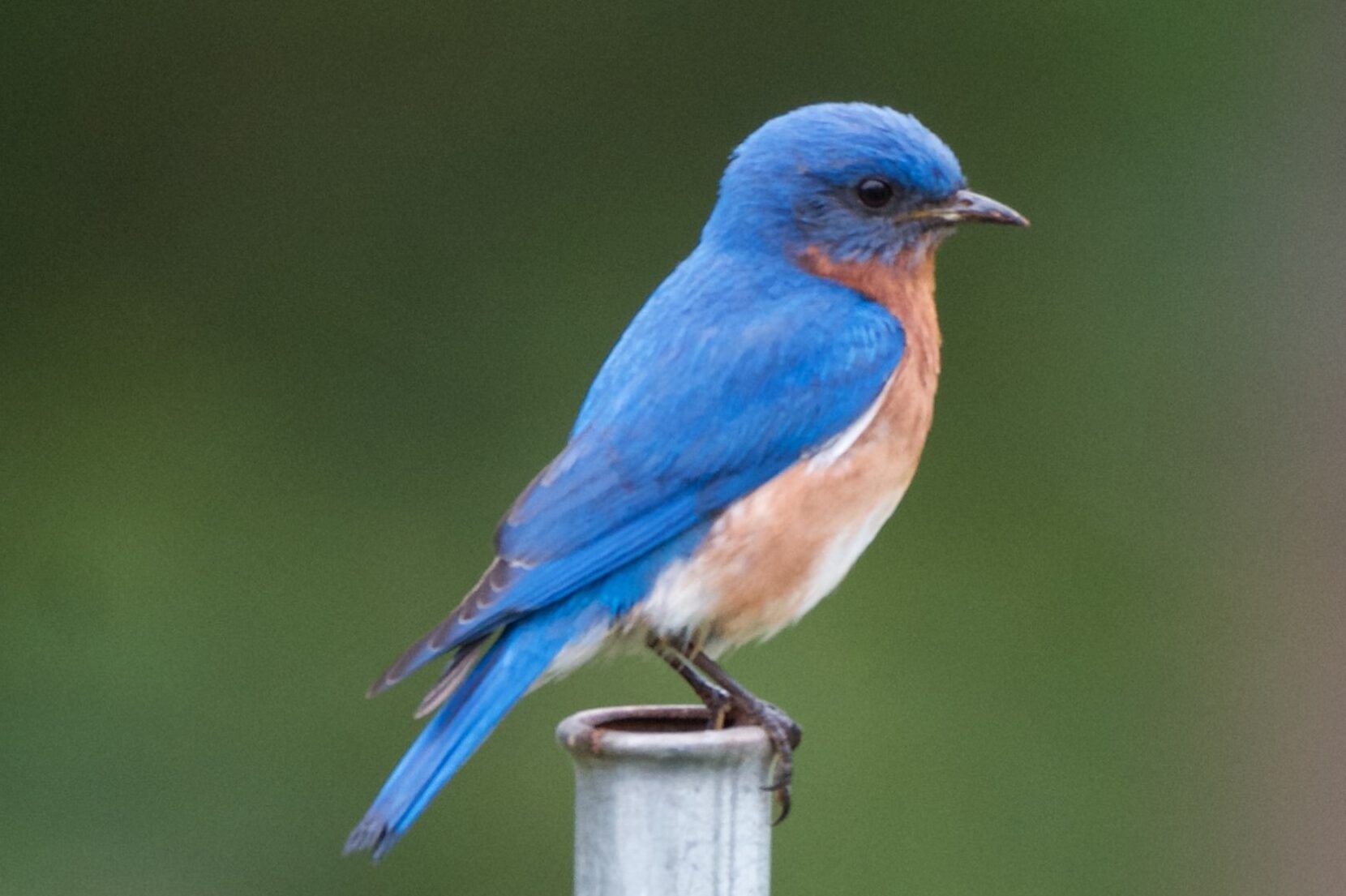
In the late 1900s, our Eastern Bluebirds lost 90% of their population in Northern Virginia due to the compond threat of habitat loss and invasive introductions. The arrival of the European Starling and English House Sparrow caused the cavity-nesting bluebirds to struggle to find suitable nesting sites and competed with them for the few sites left. However, in 1996 the Virginia Bluebird Society created its first bluebird trails with 41 bluebird boxes. These boxes were the beginning of the rebound for bluebirds. Now the Virginia Bluebird Society has hundreds of trails and over 4,000 boxes, spearheading the rescue and stabilization of the Eastern Bluebird in Virginia.
What’s the Deal?
Willowsford joined the Virginia Bluebird Society’s mission back in 2013 with one trail and 10 boxes in the Grange. Since then, we have expanded to four trails with a total of 34 boxes. While the trails have been shifted and many boxes replaced, added, or removed, we continue to aid our native cavity-nesting birds.
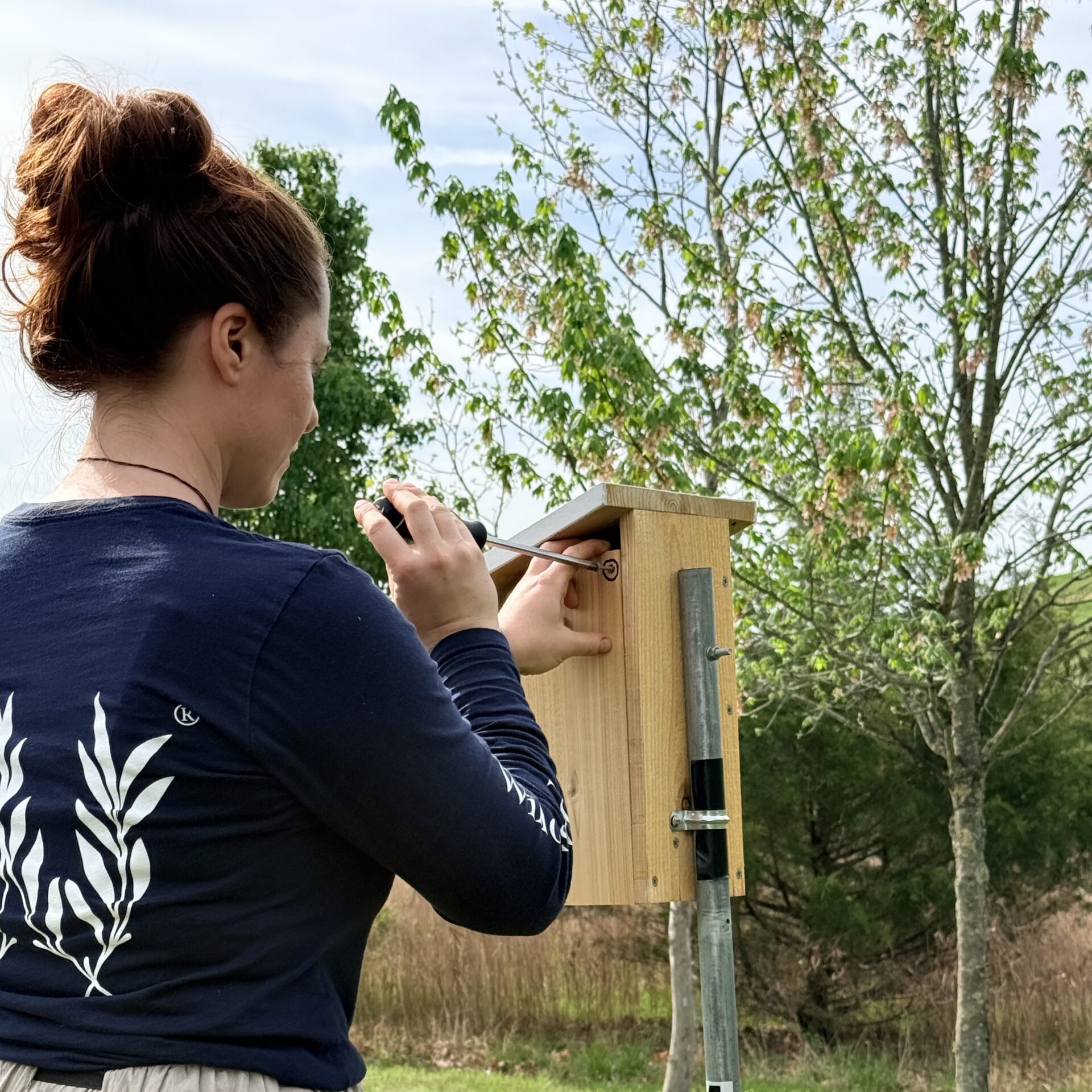
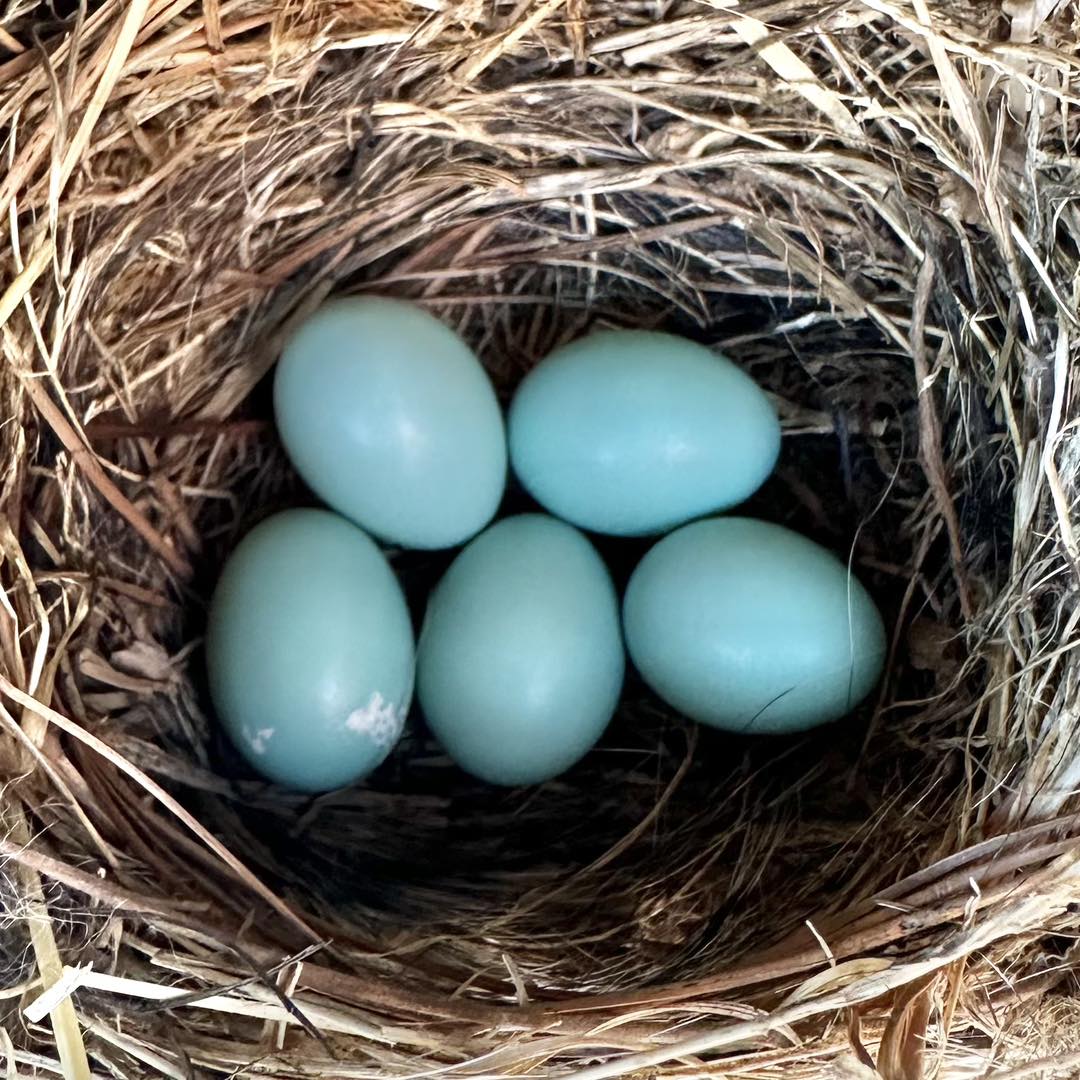
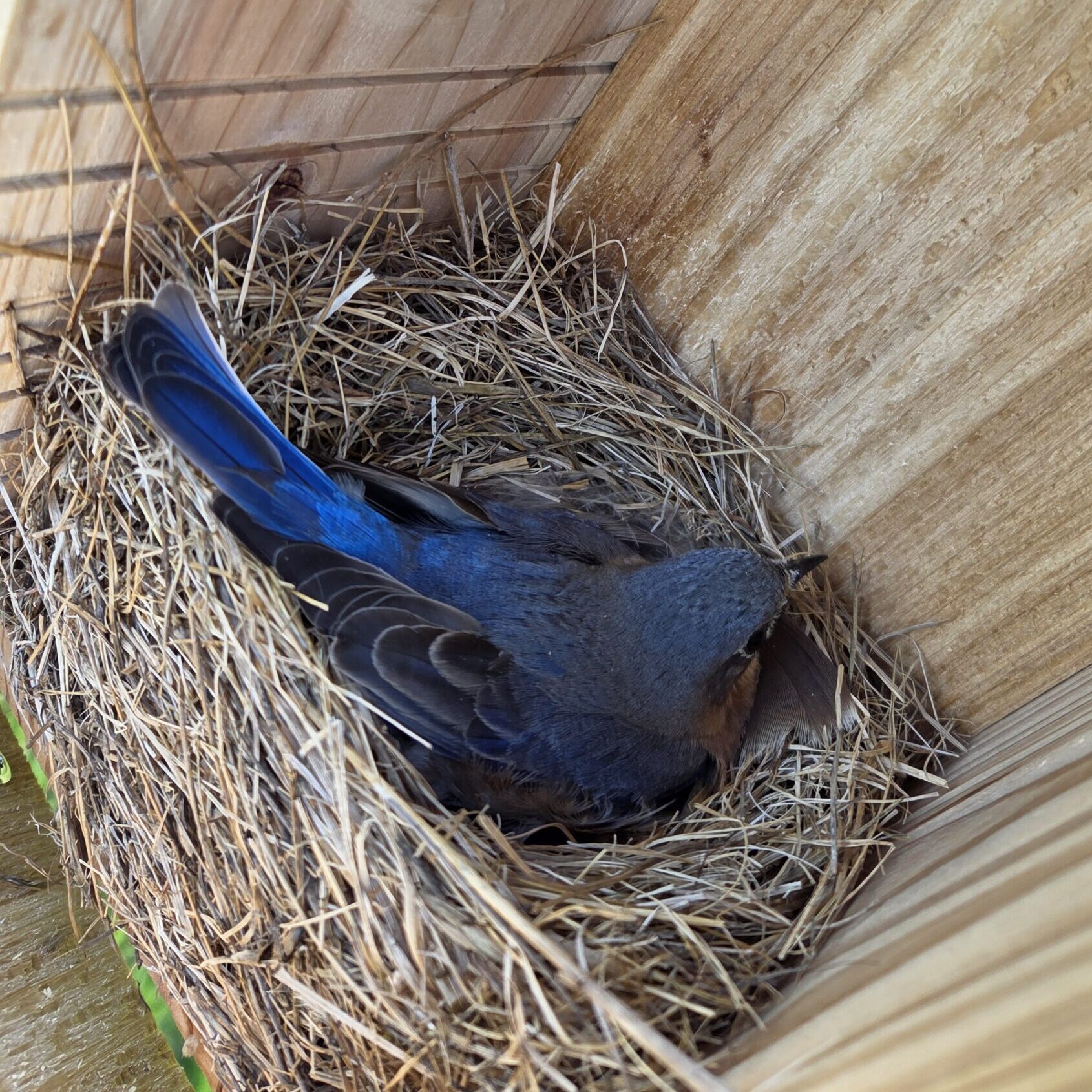
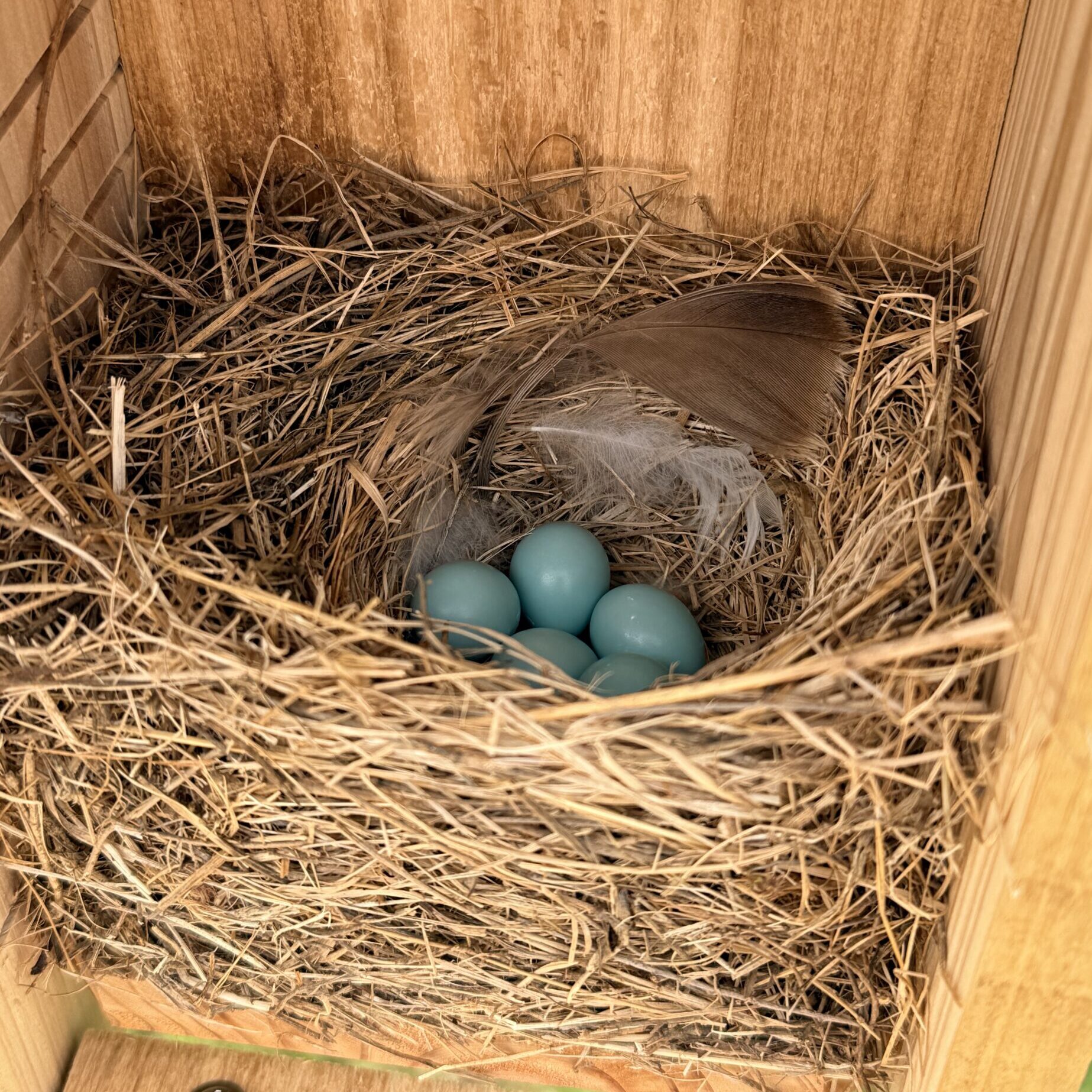
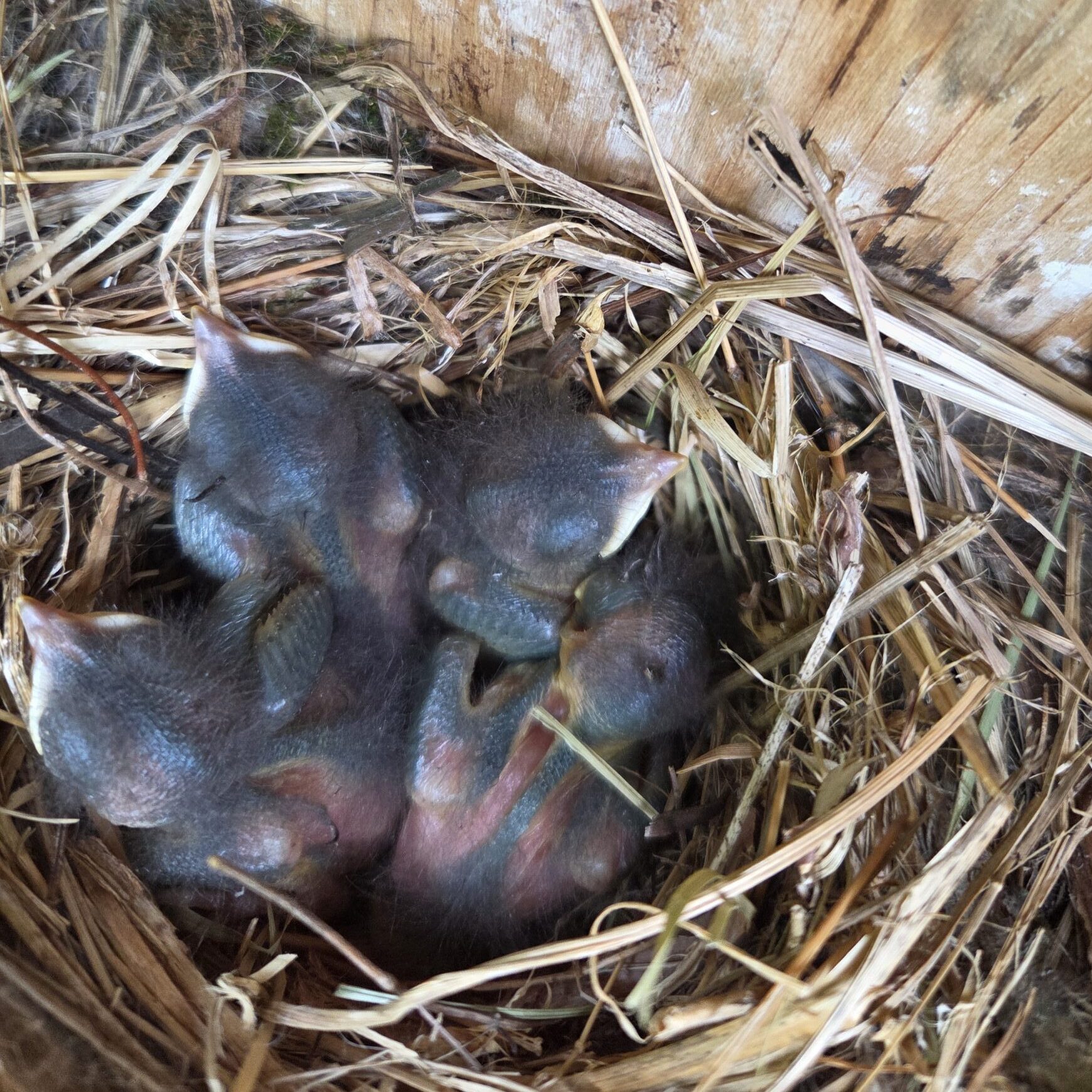
The process for Bluebird monitoring is simple. A volunteer is trained in the basics of monitoring by our staff, including how to open the boxes, identify birds by nest and egg, as well as how to determine the age of the fledglings. From there, volunteers within the Willowsford area give their time to tour the trails and survey the birds, checking in the houses to observe what birds are nesting and how the brood is progressing. After their walk, they report their findings to a shared document so that everyone involved can know how the birds are doing in the trails they enjoy.
While the boxes are built in regulation standards to prevent snakes, squirrels, and other predatory species from getting in, there are a few that slip through the cracks. Wasps, ants, and hornets are common invaders of the nest boxes; however, the most problematic species is the House Sparrow. House Sparrows are similar in size to the bluebirds; however, they are much more aggressive and often cause issues or nest failures of our native birds. Because of this, we are strict on methods to deter House Sparrows and recommend that our monitors report any House Sparrow activity in or around our boxes to the staff when completing their surveys.
How Did it Go This Year?
This year was successful with 176 total fledglings. The total number of bluebird successful fledglings this year was 70, 3 more than last year. However, other native birds such as our tree swallows saw 12 more fledglings this year than last year, at 69. Carolina Wrens dominated productivity in the Grange with 31 successful fledglings, compared to 19 from last year. And this year we saw a return of Carolina Chickadees, which managed to have 6 successful fledglings this year.
There were few nest attempts that were unsuccessful, and we did not have an overwhelming issue with House Sparrows. House Sparrows were observed on two trails, although many of the birds did not return following management efforts.
What’s Next?
Next year, the bluebird program will be in its 15th year. We will perform some maintenance for the bluebird trails, replacing a few of the older boxes in the Grove that have seen many years of weathering, and determining where some underutilized boxes may be more effective. While the trails may change, what will not change is their promise to offer native cavity nesters a place to raise their families.
Here’s How you Can Get Involved
Do you want to get involved with our bluebird program? We’re always looking for volunteers to help monitor our nest boxes during the season. No experience is needed. Our staff will provide training on how to check the boxes, identify nests and eggs, age fledglings, and record what you find.
The monitoring season runs from March through the end of August, and volunteers help by walking the trails and checking in on the boxes throughout the season. It’s a simple way to spend some time outside while helping us keep track of the birds using our trails.
We collect the data throughout the season, and at the end, the Conservancy compiles the information into a report that helps us and the county manage habitat for these birds.
Volunteer support is an important part of our bluebird program and has allowed us to continue growing the number of boxes we monitor. While this year’s monitoring season has come to a close, we’re already looking ahead to 2027. To get involved, you can apply to become a volunteer and list bluebirds as an area of interest. When the season gets closer, we’ll send you information on how to sign up for monitoring.